Sleep apnea affects more than your sleep. Obstructive sleep apnea (OSA) can strain the heart, raise blood pressure, disrupt heart rhythm, and increase the risk of metabolic problems such as insulin resistance and type 2 diabetes.
If you snore loudly, gasp during sleep, or wake up feeling exhausted, those symptoms may point to OSA. Approximately 30 million Americans have sleep apnea, and many remain undiagnosed. Untreated OSA is linked to a higher risk of:
- Cardiovascular diseases
- High blood pressure and heart rate issues
- Metabolic issues like diabetes
These conditions illustrate how sleep apnea affects more than just your sleep. By increasing the risk of various health problems, this disorder can have a profound impact on your long-term wellness.
How Obstructive Sleep Apnea Affects Heart Health
Obstructive sleep apnea can harm heart health by lowering oxygen levels, activating stress responses, and increasing strain on the cardiovascular system. Over time, these repeated overnight disruptions may contribute to high blood pressure, arrhythmias, heart failure, stroke, and coronary artery disease. Research and reviews describe intermittent hypoxia, inflammation, and sympathetic nervous system activation as key mechanisms behind this risk.
Untreated OSA leads to interruptions, raising the risk of cardiovascular disease by 2 to 3 times. OSA can lead to several heart issues, including:
- High blood pressure: Untreated sleep apnea raises blood pressure, straining the heart.
- Arrhythmias: OSA can disrupt heart rhythms
- Heart failure: Ongoing stress from untreated OSA can result in heart failure.
- Stroke: Conditions like hypertension and atrial fibrillation linked to OSA increase stroke risk.
- Coronary artery disease: OSA adds to this disease by lowering blood oxygen levels and raising blood pressure.
Sleep disruption from OSA can lead to daytime fatigue. This fatigue lowers physical activity, which can harm heart health.
Can Sleep Apnea Cause High Blood Pressure?
Yes. Sleep apnea can contribute to high blood pressure because repeated breathing pauses lower oxygen levels and trigger stress hormones that tighten blood vessels and make the heart work harder. OSA is strongly associated with hypertension, especially when it is untreated or severe.
With sleep apnea, breathing pauses during sleep lower blood oxygen levels. This releases stress hormones such as adrenaline and cortisol. These hormones tighten blood vessels and force the heart to work harder. As a result, blood pressure increases.
Poor sleep quality from OSA adds to hypertension. Fatigue can lead to less exercise, causing obesity and insulin resistance, both risk factors for high blood pressure.
How Sleep Apnea Affects Heart Rate
Sleep apnea can affect heart rate by repeatedly stressing the cardiovascular system during sleep. These breathing interruptions may raise resting heart rate over time and make it harder for the heart to respond efficiently during physical activity.
Two important terms are:
| Resting Heart Rate (RHR): | This is how many times your heart beats per minute when relaxed. A lower RHR often indicates better heart health. |
| Maximum Heart Rate (MHR): | This is the highest heart rate during intense activity, estimated as MHR = 220 – age. |
Impact on RHR: People with OSA face disrupted breathing, leading to oxygen deprivation and heart stress. This can raise RHR as the heart compensates.
Impact on MHR: Untreated sleep apnea can hinder MHR by stressing cardiovascular function, making it harder for the heart to reach high rates during exercise.
Can Treating Sleep Apnea Improve Heart Rate and Cardiovascular Health?
Yes. Treating sleep apnea with CPAP or another recommended therapy can improve oxygen levels during sleep and reduce strain on the heart. Over time, treatment may help lower resting heart rate, improve blood pressure control, and reduce overall cardiovascular stress.
For example, Brian, the founder of GEM SLEEP saw his RHR drop from the low 80s to the low 60s in one week of CPAP therapy.
Using a smartwatch or ring to monitor RHR and MHR can help track treatment effectiveness. Many patients notice improvements within just seven days of starting treatment.
Does Sleep Apnea Increase Diabetes Risk?
Yes. Sleep apnea is linked to insulin resistance and a higher risk of type 2 diabetes, while diabetes can also increase the risk of OSA. Poor sleep, intermittent drops in oxygen, and changes in hormone regulation can all disrupt metabolism and make blood sugar control more difficult.
- Diabetes can increase the risk of OSA. Diabetes damages the nerves and muscles that manage the upper airway. This damage can cause the airway to collapse during sleep.
- OSA increases the risk of diabetes. Sleep disruption from OSA disrupts metabolism and hormone balance. OSA is also linked to insulin resistance, a precursor to type 2 diabetes.
Both conditions share risk factors like obesity, hypertension, and inflammation. Healthy eating and regular exercise are crucial for weight control and disease prevention.
Can Treating Sleep Apnea Improve Long-Term Health?
Yes. Treating sleep apnea can improve oxygen levels, reduce cardiovascular strain, lower blood pressure, and support better metabolic health. For many people, effective treatment also improves daytime energy, concentration, and overall quality of life.
- Improve oxygen levels
- Reduce cardiovascular strain
- Lower blood pressure
- Support better metabolic health
Studies show that CPAP therapy can significantly lower blood pressure in people with OSA and hypertension.
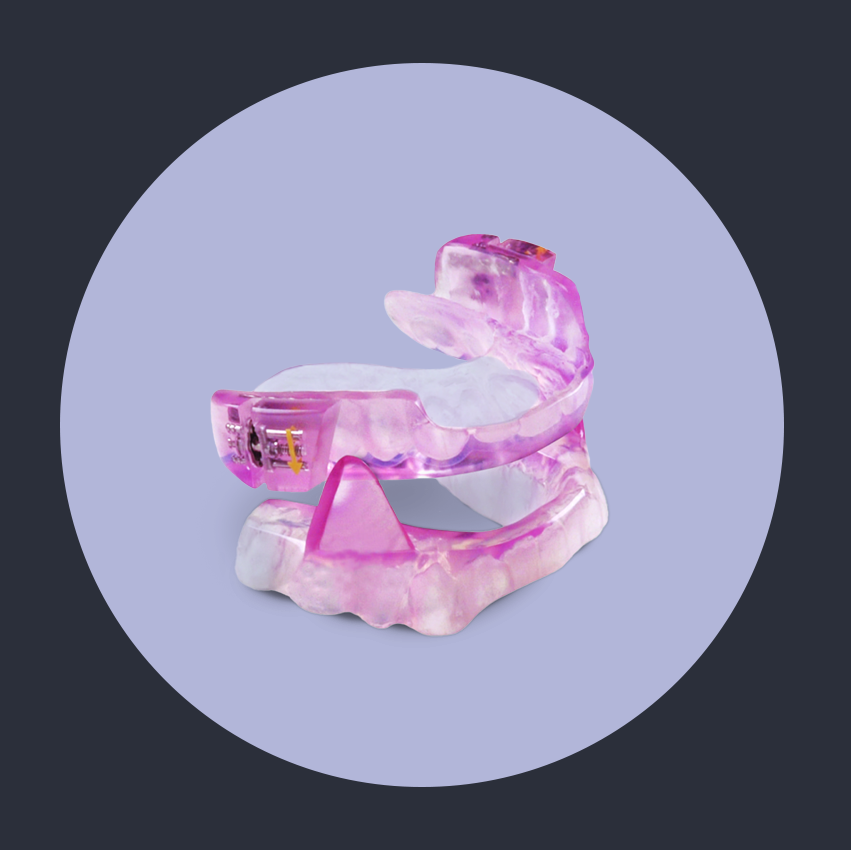
Oral Appliance Therapy offers an alternative to CPAP. It uses a mouthguard to keep the jaw forward during sleep. This method can effectively treat many cases of mild OSA. In contrast, CPAP, which can also be used in mild OSA, is needed in most cases of moderate to severe OSA.
Both CPAP and oral appliances are effective tools for treating sleep apnea and reducing health risks. By managing these conditions, patients can better achieve their overall health goals.
Frequently Asked Questions
Sleep apnea can affect multiple body systems, especially the heart, blood vessels, and metabolic system. It is commonly linked to problems involving blood pressure, heart rhythm, and blood sugar regulation.
Yes. Repeated breathing pauses can lower oxygen levels and activate stress responses that raise blood pressure over time.
Treatment may help reduce strain on the heart by improving oxygen levels and supporting better blood pressure and heart rate control.
Yes. OSA is associated with insulin resistance and a higher risk of type 2 diabetes, and the two conditions often overlap.
You should consider evaluation if you snore loudly, gasp during sleep, wake up tired, or feel excessively sleepy during the day.
The Bottom Line
Sleep apnea is common, treatable, and best addressed early. It can affect your heart, blood pressure, and metabolic health. If you or someone you know has OSA symptoms—like snoring, gasping at night, or feeling tired during the day—check out mygemsleep.com.
If you’re a GEM SLEEP patient, your coach can help you with treatment. They’ll support you in sleeping better and getting the most from your care.
Disclaimer: If you are tired or exhausted, do not operate a vehicle or machinery. This document is for educational purposes only. You need a medically approved sleep test to diagnose sleep apnea. A sleep medicine professional must order and review it. GEM SLEEP focuses on treating obstructive sleep apnea, not other sleep conditions.