A Simple Guide to Benefits, Costs, and Patient Eligibility.
Do you have obstructive sleep apnea (OSA)? Are you wondering if CPAP therapy is your only option? The short answer is no. For some adults, oral appliance therapy (OAT) is a comfortable, custom-fit treatment that is easier to travel with and stick to over time.
OAT isn’t right for everyone, but it can be a great alternative for patients with mild to moderate obstructive sleep apnea or to complement CPAP Therapy when traveling. Learn more about who OAT is right for, how it works, and its benefits in treating OSA.
What is Obstructive Sleep Apnea?
Obstructive sleep apnea (OSA) is often undiagnosed. Many people simply think they have a snoring issue. But sleep apnea is different. OSA happens when the upper airway (throat) repeatedly closes or narrows during sleep, reducing and disrupting rest. Overtime, it can lead to health problems.
Signs of undiagnosed sleep apnea include:
- Loud snoring
- Pauses in breathing or gasping during sleep
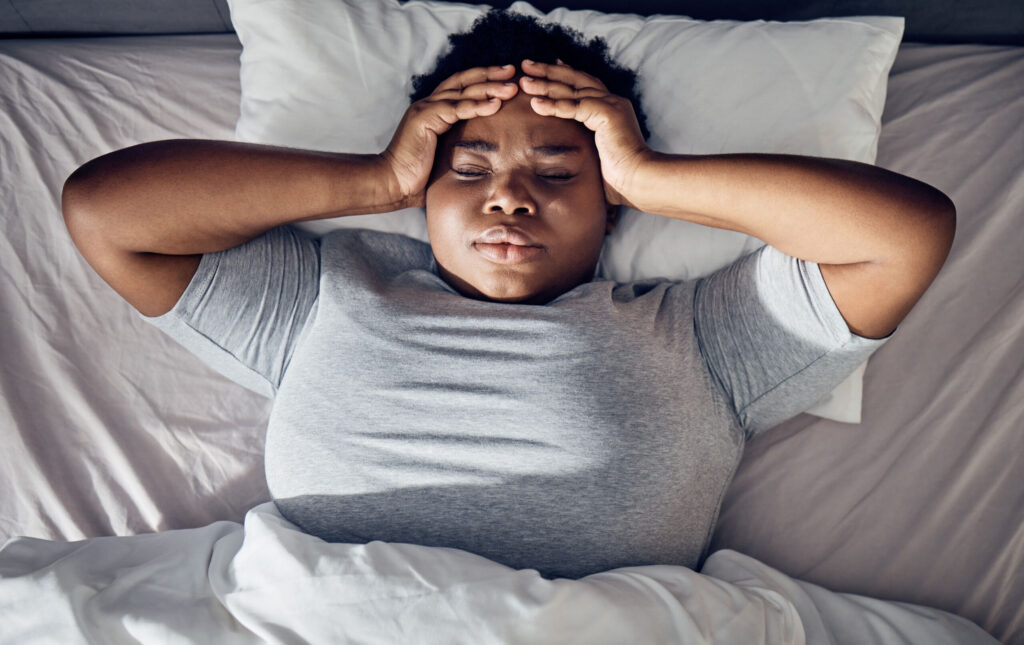
- Waking up with headaches
- Dry mouth or sore throat
- Daytime fatigue and lack of focus
- Waking up exhausted even after a “full night” of sleep
Who Benefits from Oral Appliance Therapy?
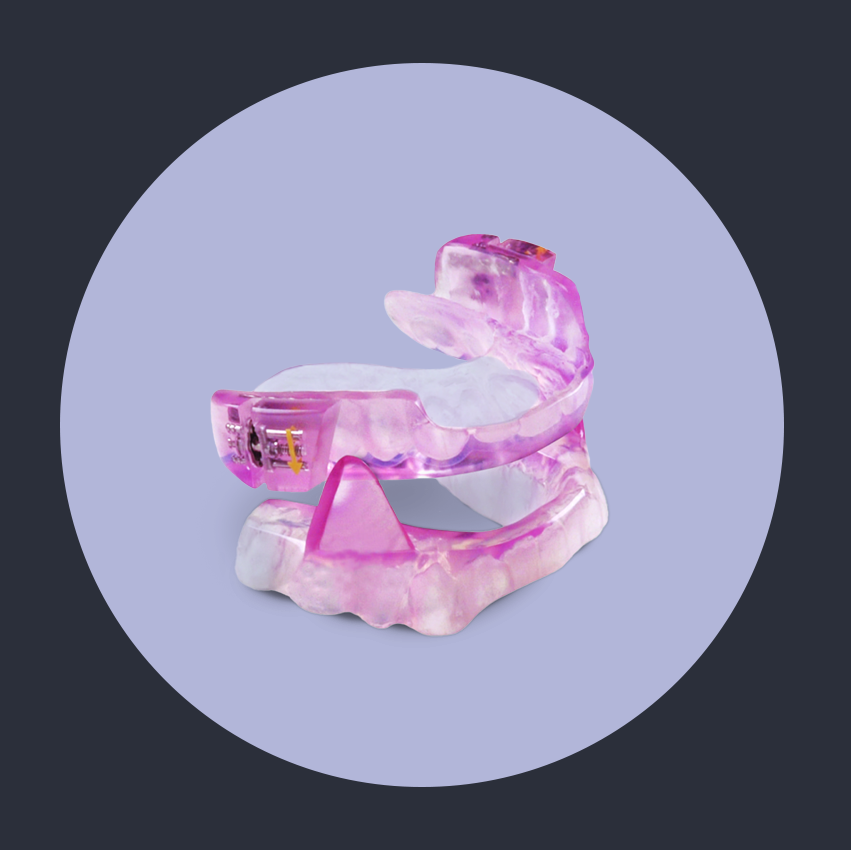
CPAP is the most common treatment for sleep apnea. However, many people use Oral Appliance Therapy (OAT) as an alternative. An oral appliance looks like a retainer or athletic mouthguard. It is a custom device that works by holding your lower jaw slightly forward while you sleep. This small jaw advancement keeps your upper airway open during sleep and helps manage snoring and sleep apnea.
An oral appliance for sleep apnea is different from an over-the-counter mouthpiece. It is a custom-made device provided by a dentist with advanced training in snoring and sleep apnea. OAT may be recommended if you have mild or moderate sleep apnea. In addition, patients who travel frequently and people who have difficulty with CPAP Therapy may also be candidates for OAT.
Is Oral Appliance Therapy a Good Alternative to CPAP?
For some adults, Oral Appliance Therapy (OAT) is a good alternative to CPAP. Here’s a breakdown:
| CPAP | Gold-standard for patients with moderate to severe sleep apnea. |
| OAT | Evidence-based treatment option for adults with mild or moderate sleep apnea. It’s great for people who can’t tolerate CPAP. It’s also ideal for those who want more portability and convenience. |
Regardless of treatment therapy, staying compliant is important when treating sleep apnea. Compliance helps patients avoid the potential negative health risks and improves sleep quality. OAT may help patients with treatment adherence.
Benefits of Oral Appliance Therapy
Many patients with mild to moderate sleep apnea prefer oral appliance therapy. It’s comfortable and easy to use. Specific benefits include:
- Custom Fit – Your appliance fits your teeth and your mouth perfectly. It is easy to put in and easy to take out.
- Low Maintenance – An oral appliance can be cleaned with just a toothbrush and mild soap solution as quickly as brushing your teeth.
- Portable – Since your device is small enough to fit in your mouth, you will be given a small container to store it, and you can pack it into a travel bag or purse. Your appliance can go wherever you do.
- Simple to Use – Your appliance sits comfortably and securely on your teeth and has no hoses, snaps or straps to adjust.
- Long-Lasting – Once your custom mouthpiece is made, it can last for at least 5 years with proper care.
Oral appliance therapy (OAT) is a proven treatment for many. Regular check-ups with a qualified dentist are important in order to monitor your comfort with the device, your bite, and jaw comfort.
What Should Patients Expect When Considering Oral Appliance Therapy?
The journey to deciding between CPAP therapy and oral appliance therapy begins with diagnosis. The GEM SLEEP experience is a fast, easy way to get started on the path to better sleep.
Specific steps to expect include:
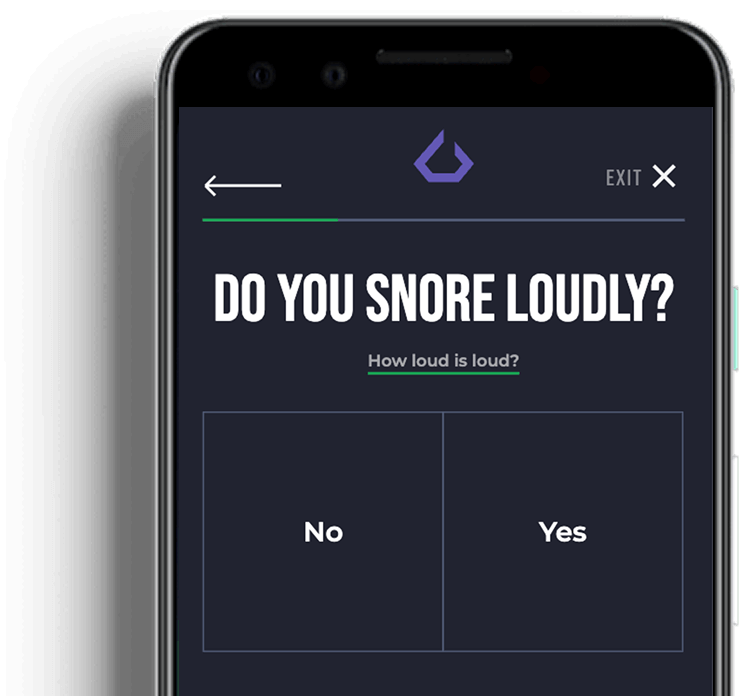
- Sleep Apnea Diagnosis – Complete a simple quiz, followed by an intake visit and a home sleep test to accurately diagnose obstructive sleep apnea.
- Results and Treatment Plan Visit – Discuss home sleep test results with a licensed clinician. They will help decide if oral appliance therapy or CPAP therapy is right for you.
- Custom Fitting – Schedule a meeting with a qualified dental professional near you for a consultation and fitting of the oral appliance.
- Ongoing Care and Use – Adjust, monitor symptom improvement and any follow-up care required for adherence and comfort.
Important Considerations Before Choosing Oral Appliance Therapy
Using an oral appliance therapy for sleep apnea is a viable option. However, the best treatment depends on the severity of sleep apnea and guidance from a qualified sleep clinician and a qualified dentist. CPAP might work well for some patients, but your GEM SLEEP clinician will find the best option for you. They’ll consider your treatment goals, comfort needs, and lifestyle.
FAQs
Yes. Oral Appliance Therapy is a clinically proven treatment for sleep apnea.
Individuals with mild/moderate sleep apnea are the best candidates for oral appliance therapy.
An oral appliance for treating sleep apnea is custom-fit to each patient. It is sleeker, more comfortable in the mouth and significantly more successful in managing snoring and sleep apnea. Over-the-counter mouthguards are generic devices, so they do not fit the teeth very well, they are bulkier, and they are much less effective in treating snoring and sleep apnea.
No. Patients with moderate to severe sleep apnea are best treated with CPAP Therapy. If CPAP is not successful, the GEM SLEEP Clinician will review appropriate alternatives with you. OAT can help but may not fully address all issues for patients with severe sleep apnea.
Yes. OAT is highly portable, easy to travel with, and an effective way to adhere to sleep apnea treatment when traveling. If you have moderate to severe sleep apnea, CPAP is the best choice. However, OAT works well for short trips.
Visit mygemsleep.com to begin the GEM SLEEP process. Based on your diagnosis, GEM SLEEP Clinicians will create a personalized treatment plan. If oral appliance therapy is appropriate, they will provide you with information on qualified dentists in your area.
The Bottom Line
Obstructive sleep apnea should not be ignored. A proper sleep evaluation can help you diagnose sleep apnea and understand treatment options that make sense for you. Sleep apnea is treatable. With the right diagnosis and care, like oral appliance therapy, you can achieve the quality sleep needed to feel more energized and improve your health.
Start with a simple quiz, take a home sleep test, then consult a clinician to see if oral appliance therapy is right for you. It could be the next step towards better sleep.
Disclaimer: If you are tired or exhausted, do not operate a vehicle or machinery. This document is for educational purposes only. You need a medically approved sleep test to diagnose sleep apnea. A sleep medicine professional must order and review it. GEM SLEEP focuses on treating obstructive sleep apnea, not other sleep conditions.