If your sleep apnea test was negative but you still snore or sleep poorly, the next step is to look at other common causes and practical treatments. A negative home sleep test can be reassuring, but it does not explain every reason for snoring, restless sleep, or daytime fatigue.
This guide explains what a negative sleep apnea test means, why snoring can still happen without obstructive sleep apnea, which treatment options may help, and when it makes sense to discuss additional sleep testing with a clinician.
Importantly, one overnight sleep test is not perfect. It gives us a pretty good idea of what is going on but it is possible to have a false negative test especially if you did not sleep well and if you did not sleep on your back. This is why it’s important to share with your GEM clinician if you, or your bed partner are still suspicious you may have sleep apnea.
What Does A Negative Sleep Apnea Test Mean?
A negative home sleep test usually means obstructive sleep apnea was not detected, but it does not rule out every cause of snoring, poor sleep, or sleep disruption.
Clinicians consider several factors. One key measure is the Apnea-Hypopnea Index (AHI). It shows how often the airway gets blocked during sleep. A complete collapse is called an apnea, and a partial collapse is called a hypopnea.
The GEM SLEEP home sleep test tracks the number of airway obstruction events that last at least 10 seconds. We divide that number by the number of hours in your sleep cycle during the test to arrive at your AHI. If you had less than 5 apnea events during your test, you are not diagnosed with OSA.
Understandably it is confusing If you are still experiencing:
- Snoring,
- Fragmented sleep,
- Nasal congestion,
- Poor sleep habits, or
- Other sleep-related concerns
GEM SLEEP is here to give you some practical guidance on where to go from here.
Why Do I Snore if I Do Not Have Sleep Apnea?
Snoring can still happen without obstructive sleep apnea because airflow can become noisy without repeated airway collapse. Common causes include:
- Airway anatomy,
- Nasal blockage,
- Sleep position,
- Alcohol before bed, and
- Excess weight around the neck.
Snoring affects sleep and well-being. It disturbs both you and your partner. You might need to take more steps to understand your situation and fix your snoring.
Alternative Options if You Don’t Have Sleep Apnea
While you may not have sleep apnea, you may still snore. There are two primary options for reducing snoring.
Option 1: Oral Appliance
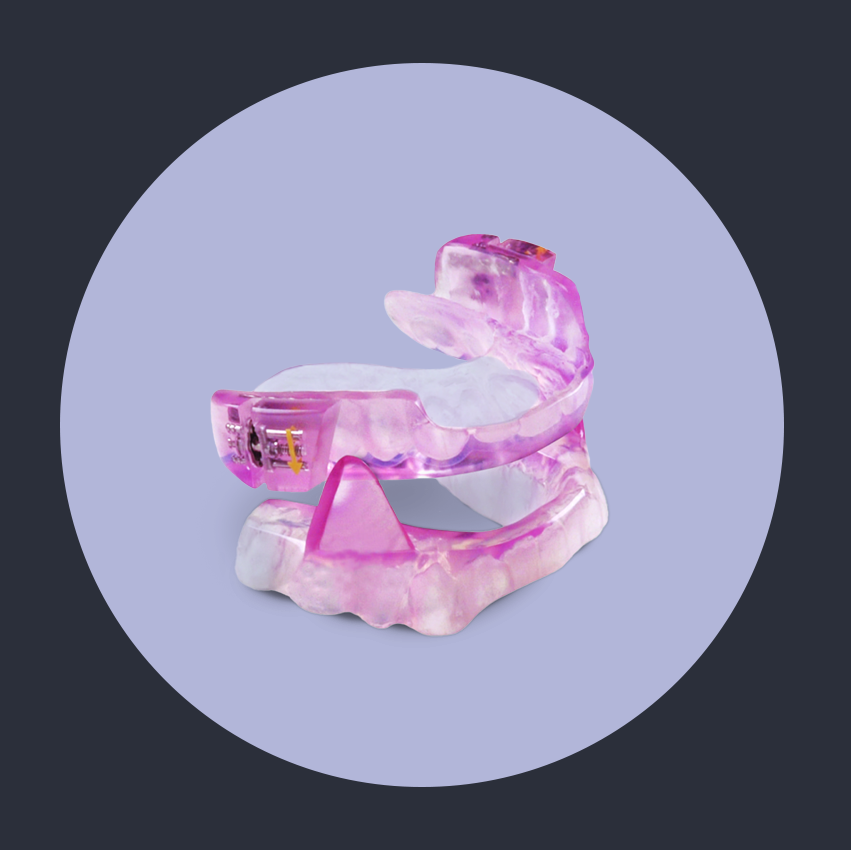
A custom oral appliance may help reduce primary snoring by moving the lower jaw slightly forward to keep the airway more open during sleep.
This treatment is provided by a dentist with advanced training in snoring and sleep apnea. To see a list of Dentists who are certified in Dental Sleep Medicine visit www.aadsm.org.
It is important to work with a qualified dentist for a custom-fit device and follow-up care. Expert guidance helps adults with primary snoring succeed with oral appliances. This is true especially if they don’t have a sleep apnea diagnosis.
Option 2: Lifestyle Changes
Weight loss, side sleeping, limiting alcohol before bed, improving nasal airflow, and keeping consistent sleep habits can all make snoring less frequent or less severe.
Here’s a review of common lifestyle changes you can make and their impact on snoring:
- Lose Weight: Excess weight, especially around the neck, can contribute to snoring.
- Sleep Position: Sleeping on your back may cause snoring. Sleeping on your side can prevent this. A body pillow can help you sleep comfortably on your side.
- Limit Alcohol Usage: Alcohol relaxes mouth and throat muscles, leading to snoring. Avoid alcohol intake at least 3-4 hours before bedtime to reduce snoring.
- Open Nasal Passages: Congestion and narrow nasal passages can cause snoring. If you have a cold virus and are congested, consider nasal sprays, or saline rinses to clear your sinuses. Nasal strips can help open your nasal passages. This works if the issue is in your nose, not your soft palate.
- Healthy Sleep Habits: Consistent and healthy sleep habits reduce the risk of snoring. Poor sleep habits can relax mouth and throat muscles, contributing to snoring.
When Should You Consider More Sleep Testing?
As mentioned above, it may be worth discussing repeat or more advanced sleep testing if your home test did not reflect a typical night, you slept too little during the test, or your symptoms suggest another sleep condition.
Next Steps After A Negative Sleep Apnea Test
If it is ultimately concluded that you do not have obstructive sleep apnea, you still have options. The next step is to match your symptoms with the right treatment, ask questions at your follow-up visit, and decide whether you need more evaluation for snoring or poor sleep.
Frequently Asked Questions
Yes. Snoring can happen without obstructive sleep apnea when airflow becomes partially restricted but does not repeatedly stop long enough to meet the criteria for apnea events.
Common causes include nasal congestion, airway anatomy, sleeping on your back, alcohol before bed, excess weight around the neck, and poor sleep habits.
In many cases, yes. A custom oral appliance may help reduce primary snoring by improving airway position during sleep, especially when fitted and monitored by a qualified dentist.
You may want to ask about more testing if you slept too little during the test, or for whatever reason you, or your bedpartner, have lingering suspicion that you have OSA.
The Bottom Line:
If you are still snoring or not sleeping well after a negative sleep apnea test, the next step is to review your symptoms with a clinician and choose a plan that fits your needs. GEM SLEEP can help guide you from testing to treatment so you can move forward with more clarity and confidence.
We won’t rest until you sleep better.
Disclaimer: If you are tired or exhausted, do not operate a vehicle or machinery. This document is for educational purposes only. You need a medically approved sleep test to diagnose sleep apnea. A sleep medicine professional must order and review it. GEM SLEEP focuses on treating obstructive sleep apnea, not other sleep conditions.