The Message Couples Need to Hear: Sleep Apnea Affects Both of You
Sleep week is not the next Hallmark holiday, but it falls in a month dedicated to learning about the importance of sleep and its role in your health. Most people don’t get enough sleep, may deprioritize it, and don’t typically think about how their sleep (or lack of it) affects their bed partner.
Poor sleep physically happens to one person, but it emotionally and physically impacts the couple. If you have sleep apnea, it impacts your partner’s sleep each time you snore, gasp, or toss and turn. They worry about you, and as a result, they don’t get the good sleep they need to be at their best.
“Don’t Get Elbowed Out of the Bedroom” — Snoring & Sleep Disruption Are Shared Problems
Snoring is a common sign you might have sleep apnea. That’s because your airways are narrowing or collapsing while you sleep. When you can’t breathe, your stress reflexes kick in, interrupting your rest and causing you to toss, turn, kick, and roll in your sleep.
Other typical symptoms of sleep apnea include:
- Waking up with headaches
- Dry mouth or sore throat
- Daytime fatigue, low energy, and lack of focus
- Waking up exhausted even after a “full night” of sleep
- Irritable or lack of patience
With obstructive sleep apnea (OSA) you’re not getting the rest you need, and your partner feels like they’re sleeping at a concert – and not a very good one. They are awake and worried about you. Partners are exhausted and frustrated. So, it’s no wonder why, for many people, they first investigate sleep apnea at the request of their partner.
The Emotional Strain Is Real (Mood, Intimacy & Morning Grumps)
When you both wake up unrested, it takes a toll on your relationship. Both you and your partner become irritable and cranky, starting your day off on the wrong side of the bed. You go out less and you do fewer activities together because you are too tired. Or, if you start sleeping separately, you miss physical closeness and intimacy every night. This vicious cycle can and should end. Untreated sleep apnea is anxiety-inducing for both of you and can decrease libido which adds another layer of relationship stress.
The Bigger Picture: Your Partner Wants You Healthy and Safe
Sleep Apnea Puts Your Long-Term Health at Risk
Untreated OSA puts your body into a state of stress each time your airway collapses during sleep. Instead of deep, restorative sleep, your system is jolted awake with bursts of adrenaline and cortisol. Over time, these repeated disruptions strain your heart and leave you running on empty instead of waking up refreshed.
With repeated sleep disruptions, your oxygen levels drop and your blood becomes more prone to blood clots. Your heart has to work harder as your blood pressure goes up, and your brain misses the deep restorative sleep it needs to clear itself out and help you feel mentally sharp.
Long-term, obstructive sleep apnea can:
- Increase cardiovascular disease, including heart attacks, vascular disease, and strokes.
- Worsen mental health issues such as anxiety, panic attacks, and depression.
Your partner wants you to be healthy. They are worried about your health, and they want you to get help so your relationship flourishes. Partners speak up because they love you, it isn’t nagging.
Relationship Reboot: How Treating Sleep Apnea Improves Life Together
Better Sleep = Better Moods = Better Connection
Restful sleep restores your mood, energy, mental clarity, and closeness. People who treat sleep apnea experience both physiological and interpersonal benefits. They typically experience:
- Improved oxygen flow at night
- More restorative sleep cycles
- Reduced inflammation
- Fewer morning headaches
- Better cardiovascular health long-term
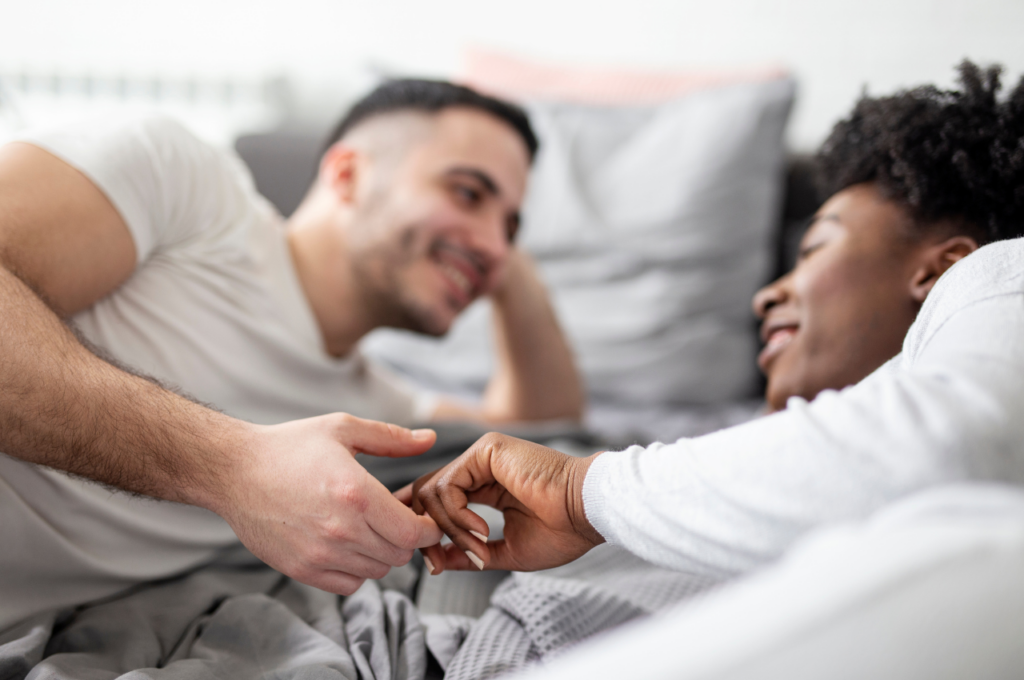
But the treatment benefits aren’t just yours; your partner (and your family) gets their rest back as well. That gives you both more energy for activities, “us time,” parenting, intimacy, and joy.
Sleep Apnea – It’s Treatable—Let’s Take This Off Your Honey-Do List
The great news is that diagnosing and treating sleep apnea is possible and will improve both your nights and days. It’s not insurmountable. You can sleep better. Sleep apnea can be diagnosed, and home and several treatment options exist. Think of it more as a quick home project that you know is on your honey-do list that you can tackle with life-changing payoff.
GEM SLEEP Makes Diagnosing and Treating Sleep Apnea Simple
GEM SLEEP offers a virtual, end-to-end process helping individuals test, diagnose, and treat obstructive sleep apnea. GEM’s expert clinician and support teams make it easy to:
- Test for sleep apnea using a home sleep test
- Review results with a licensed clinician who will provide you with a personalized treatment plan
- Navigate insurance
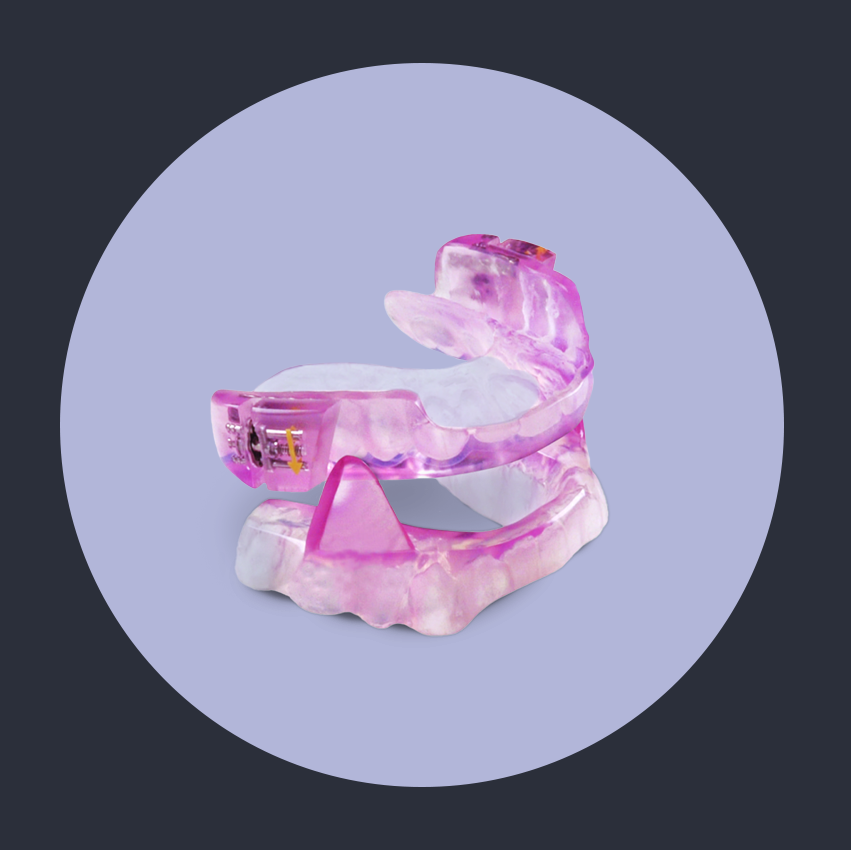
- Get guidance and buy cost-effective treatment options
- Stay consistent with coaching support
Virtual health care options, like GEM SLEEP, give you an expert clinical solution from the comfort of your own home. This is a convenient, easy way for busy couples to address an often-undiagnosed condition that improves sleep for both of you.
Sleep Week Challenge: Give Your Relationship the Gift of Rest
If you think sleep apnea may be an issue for you or your partner, take action this week, and get on your way to better sleep.
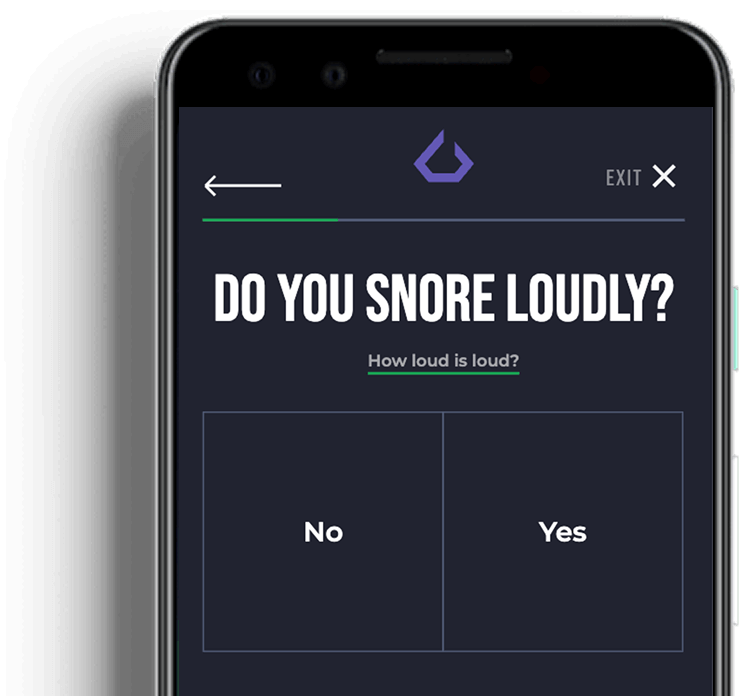
- If you think you might have sleep apnea, take the GEM SLEEP Quiz to see if taking an at-home sleep test is the right next step for you.
- If you think your partner might have sleep apnea, visit our site to learn more and check their symptoms.
With good, restful sleep, you get your energy back, the strain on your physical and mental health is dramatically reduced, and your relationships improve. You can be the happier, healthier person your partner wants to sleep next to!
Disclaimer: If you are tired or exhausted, do not operate a vehicle or machinery. The information contained in this document is for educational purposes only. Sleep apnea can only be diagnosed via a medically approved sleep test. A sleep test must be ordered and reviewed by a professional provider trained in sleep medicine. GEM SLEEP is focused on treatment and support of obstructive sleep apnea, not other sleep conditions.