An important part of an obstructive sleep apnea diagnosis is the Apnea-Hypopnea Index, or AHI. For many people, this measurement is not always easy to understand at first. In this blog, we’ll explain what your AHI score means, how it is calculated, and how it helps guide the most appropriate treatment options for your sleep apnea.
How an AHI Score Helps Diagnose Obstructive Sleep Apnea
When we talk about sleep apnea, we usually refer to the most common form: obstructive sleep apnea (OSA). If you have OSA, your airway becomes partially or completely blocked during sleep. This can lead to:
- Loud snoring,
- Choking, or
- Gasping during the night.
To determine whether snoring is a sign of sleep apnea, you will need a sleep test. One of the key measurements from a sleep study is your Apnea-Hypopnea Index (AHI).
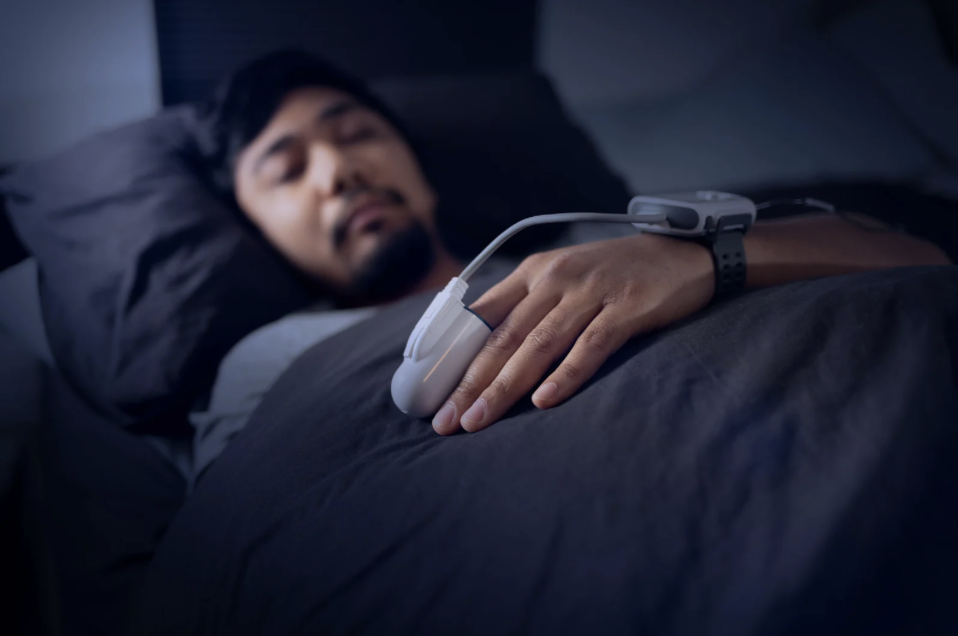
A sleep test can be done at home with GEM SLEEP or in an in-person clinic. To learn more about GEM SLEEPs home sleep test, click here.
How Is Your AHI Score Calculated?
During your sleep test, one of the things we track is how often your airway collapses. A complete collapse is called an apnea, while a partial collapse is called a hypopnea. After your GEM SLEEP at-home sleep test, the results provide a count of the number of apnea and hypopnea events that last 10 seconds or longer and divides that total by the number of hours you were asleep. The result is your AHI score. This number helps you and your GEM SLEEP clinician understand how severe your sleep apnea may be and what next steps may be appropriate.
What Does Your AHI Score Mean?
In adults, AHI scores are generally grouped into categories that reflect the frequency of breathing disruptions per hour of sleep:
What does my AHI score mean?
In adults, AHI scores are generally grouped into categories that reflect the frequency of breathing disruptions per hour of sleep:
- Normal: Fewer than 5 events per hour
- Mild sleep apnea: 5 to 14.9 events per hour
- Moderate sleep apnea: 15 to 29.9 events per hour
- Severe sleep apnea: 30 or more events per hour
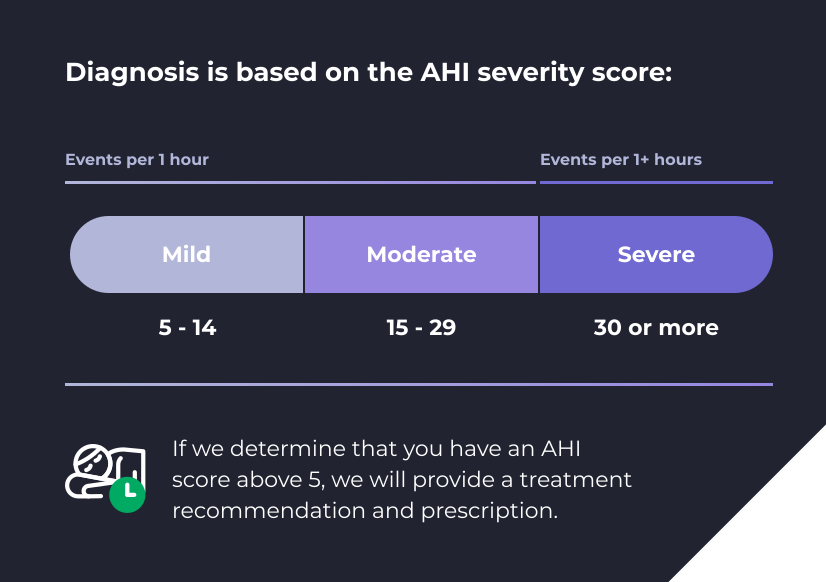
These categories are widely used in adult sleep medicine and help clinicians interpret sleep study results and discuss treatment options. However, your AHI is only one part of the picture. Symptoms, oxygen levels, sleep quality, and your overall health also matter when building a care plan.
Why Your AHI Score Matters
Your AHI score helps your care team understand how often your breathing is disrupted during sleep, but it also provides important clinical context. Repeated breathing interruptions can contribute to:
- Fragmented sleep,
- Lower oxygen levels, and
- Excessive daytime tiredness.
Over time, untreated obstructive sleep apnea may also be associated with cardiovascular and metabolic health concerns.
An AHI score can help guide decisions about:
- Whether treatment is recommended now or continued monitoring makes sense
- Which treatment options may be most effective
- How urgently symptoms and related health risks should be addressed
- Whether follow-up testing may be helpful after treatment begins
Even if your score falls in the mild range, symptoms such as snoring, poor sleep quality, morning headaches, or daytime sleepiness can still have a meaningful impact on your health and quality of life.
Can Treatment Improve Your AHI Score?
In many cases, yes. Treating sleep apnea with continuous positive airway pressure (CPAP) or oral appliance therapy (OAT) can help keep the airway open during sleep, improve breathing, and support more restful sleep. Clinical evidence shows that CPAP is often the most effective treatment for lowering AHI, while oral appliance therapy can also improve AHI for many patients, especially when CPAP is not the right fit.
The best treatment depends on your:
- Sleep study results
- Symptoms
- Anatomy
- Comfort
When treatment is effective, it may help:
- Reduce sleep disruption
- Support healthier blood pressure
- Improve daytime alertness
- Lower the strain that untreated sleep apnea can place on the body
Just as importantly, many patients feel better rested and have more energy to take on the day.
What Your AHI Score Does and Does Not Tell You
AHI is an extremely useful measurement, but it does not capture everything about your sleep health. Two people can have similar AHI scores and still have vastly different symptoms, oxygen levels, and treatment needs. That is why a full clinical review matters.
Your AHI score does help show:
- How often breathing disruptions happen during sleep
- The general severity of obstructive sleep apnea in adults
- Whether treatment should be considered
Your AHI score does not tell the full story about:
- How low your oxygen levels dropped
- How much your sleep was fragmented
- How sleepy or unwell you feel during the day
For that reason, your provider will look at your AHI alongside your symptoms, medical history, and sleep study findings when recommending care.
Questions to Ask After You Receive Your Sleep Test Results
If you have recently received your AHI score, it may help to ask a few practical questions during your follow-up visit:
- What severity category does my AHI fall into?
- Did my oxygen levels drop during sleep?
- Do my symptoms match what the sleep study showed?
- Which treatment options are most appropriate for me?
- How will we know if treatment works?
These conversations can help you better understand your diagnosis and feel more confident about the next steps in your care. GEM SLEEP’s virtual visit experience ensures you meet first with a clinician for the Sleep Intake Visit to ensure a home sleep test is right for you. After you take your home sleep test, you meet with a clinician for the Sleep Results and Treatment Plan visit to review results and answer your questions.
Take the First Step Toward Better Sleep
If you are concerned that you or a loved one may have obstructive sleep apnea, take our online quiz to assess your risk. From there, we can help you with diagnosis, including understanding your AHI score, and guide you toward the right path for better sleep and better health.
Learn more about GEM SLEEP here.
Disclaimer: If you are tired or exhausted, do not operate a vehicle or machinery. The information contained in this document is for educational purposes only. Sleep apnea can only be diagnosed via a medically approved sleep test. A sleep test must be ordered and reviewed by a professional provider trained in sleep medicine. GEM SLEEP is focused on treatment and support of obstructive sleep apnea, not other sleep conditions.
Today’s the day to change your life.