A sleep study is necessary to diagnose sleep apnea. If you have been feeling exhausted during the day, waking with headaches, snoring heavily, or hearing from a bed partner that you stop breathing at night, testing can provide the clarity you need. Rather than guessing at the cause of poor sleep, a sleep study gathers objective information that helps a qualified provider understand what is happening while you rest and what type of treatment may help.
If the idea of a sleep study sounds intimidating, you are not alone. Many people imagine a complicated overnight test, but the process is often more approachable than expected. Understanding how sleep studies work can make the next step feel much easier. This blog outlines what a sleep study is, defines the pros and cons of in-lab vs. in-home sleep tests, helping you understand which might be best for you.
Likely Indications for a Sleep Study
A sleep study isn’t necessary for everyone. Many people have good sleep habits and wake up feeling refreshed. Unfortunately, many people have sleep issues and don’t know how to address them. Today, there are many commercially available, nonclinical, sleep products and apps that help track your sleep habits and might indicate you aren’t sleeping well. If that’s the case for you, a sleep test might be right for you.
Common reasons people talk with a provider about sleep testing include:
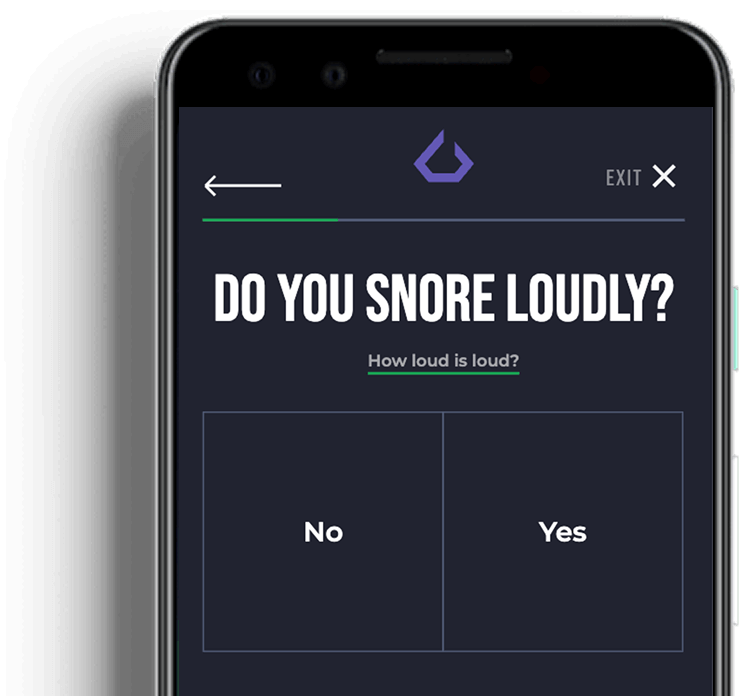
- Loud, persistent snoring
- Witnessed pauses in breathing
- Waking up choking or gasping
- Morning headaches
- Daytime fatigue, sleepiness, or trouble concentrating
How does a sleep study work?
A sleep study records body signals while you sleep so a clinician can evaluate breathing patterns, oxygen levels, heart rate, sleep interruptions, and other markers associated with obstructive sleep apnea. Until recently, sleep testing was typically done in an in-person lab. With the advent of improved technology, many patients can be diagnosed using a home sleep apnea test.
Both sleep studies evaluate:
- Breathing patterns: Identifies pauses in breathing or airflow limitation.
- Blood oxygen levels: Highlights if oxygen drops during the night.
- Pulse rate and body responses: Detects changes that can occur when breathing is disrupted.
- Sometimes sleep time or sleep stages: What is covered depends on the testing method used.
How Does a Traditional In-lab Sleep Study Work?
A traditional in-lab sleep study, also called polysomnography, is completed overnight in a sleep center. The experience is similar to spending the night in the hospital. Sensors are placed on the body to monitor breathing, oxygen levels, heart rate, and other sleep-related signals. Although this type of testing is more involved than a home sleep test, it can be especially useful when a person has complex symptoms, multiple medical conditions, or signs of a sleep disorder beyond obstructive sleep apnea.
Understandably many people feel uncomfortable about sleeping outside their home or being monitored overnight. Even so, an in-lab study may be the right choice when a clinician needs a more detailed picture of your sleep. In some cases, wait times for appointments and results may take months, longer than with home testing.
| Potential advantages: | Close monitoring, broader data collection, and evaluation for more complex sleep concerns. |
| Common concerns: | Sleeping in an unfamiliar setting, wearing more sensors, and longer wait times. |
| Best fit: | May be appropriate if someone has significant heart or lung disease, neurologic issues, or another sleep disorder that may not be well assessed with a home study. |
For many adults with symptoms that strongly suggest obstructive sleep apnea, there may be a more convenient option.
What is a Home Sleep Test and How Does it Work?
At-home sleep apnea testing allows patients to complete a sleep study in their own bed. The process can reduce barriers to diagnosis, including scheduling delays and discomfort with sleeping in a clinical setting. For many adults without certain complex medical issues, home sleep apnea testing can be an effective diagnostic pathway when ordered and interpreted by a licensed clinical provider.
| Potential Advantages: | Sleeping in your own bed, a simpler setup than in-lab testing, faster access to testing, and a more convenient path to diagnosis for many adults with suspected obstructive sleep apnea. |
| Common Concerns: | Whether the device will be comfortable, worries about setting it up correctly, and whether a home test captures enough information if symptoms are complex. |
| Best Fit: | Often appropriate for adults with symptoms that strongly suggest obstructive sleep apnea and who do not have certain complex medical conditions or signs of another sleep disorder that may require in-lab evaluation. |
How GEM SLEEP’s Home Sleep Test Works
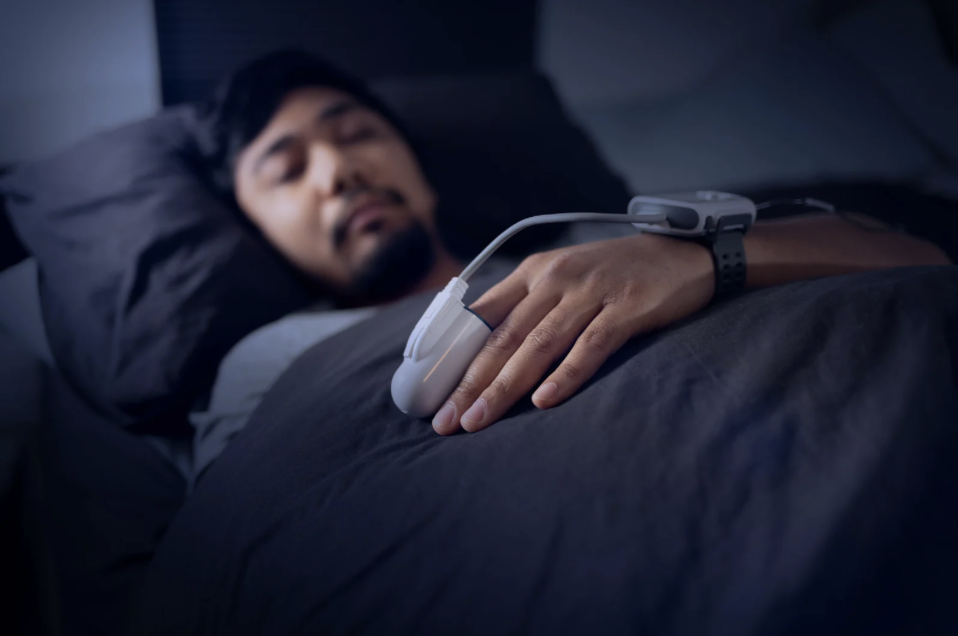
GEM SLEEP uses the WatchPAT ONE E device to make the testing process more manageable for patients. This small wearable device uses multiple channels of data and a smartphone app to transmit results for clinical review. The streamlined design supports timely interpretation and diagnosis while allowing testing to happen at home.
- Step 1: Receive the device. The test is mailed to your home with instructions.
- Step 2: Set it up. Download the WatchPAT app and connect your device.
- Step 3: Put on the device when you are ready to go to sleep. The WatchPAT ONE includes a wrist device and finger sensor. You’ll need to remove jewelry and artificial nails/nail polish.
- Step 4: Sleep. Go to bed and sleep for at least 6 hours. Ideally, if you can, sleep on your back for best results.
- Step 5: Wake up, stop the recording, take the device off, and start your day. Results are sent directly, via the internet, to a GEM SLEEP licensed clinician for interpretation.
At-home testing is convenient and shortens the time between concern and diagnosis so you can move more quickly toward answers and treatment. That matters, because untreated sleep apnea has been associated with daytime sleepiness and higher rates of cardiovascular problems such as high blood pressure, heart disease, and stroke.
The Bottom Line on Sleep Testing
Home testing is a convenient, effective way to diagnose sleep apnea. However, some patients benefit from in-lab testing, particularly if they have certain complex health issues or symptoms suggesting a sleep disorder other than sleep apnea. The goal is to get the right test for the right patient.
If you have been putting off diagnosing sleep apnea because a sleep evaluation felt inconvenient, overwhelming, or unclear, you are not alone. Getting tested is a meaningful step toward understanding your symptoms and improving your long-term health. When sleep apnea is diagnosed, treatment can support better rest, improved daytime functioning, and better overall well-being.
Check out GEM SLEEP if you are concerned you may have sleep apnea and an at-home sleep study seems like the right next step. You can begin the process, get a diagnosis and begin treatment all from the comfort of home.
Disclaimer: If you are tired or exhausted, do not operate a vehicle or machinery. The information contained in this document is for educational purposes only. Sleep apnea can only be diagnosed via a medically approved sleep test. A sleep test must be ordered and reviewed by a professional provider trained in sleep medicine. GEM SLEEP is focused on treatment and support of obstructive sleep apnea, not other sleep conditions.