You Deserve to Wake Up Rested
Many people believe everybody in their 30s, 40s, and 50s just wakes up tired and exhausted. Others might tell you, “You have young kids and won’t sleep until they are older,” or “slow down at work,” or “try a different pillow or mattress.”
While some of these statements may be partially true, you don’t need to wake up tired and exhausted no matter how hard or stressful your work or family life may be. You need a good night’s rest so that you can handle the stresses in your day better.
Understanding if you have sleep apnea and how untreated sleep apnea affects your energy, mood and daily functioning is critical. Recognizing what underlying issues are causing your exhaustion, and how to treat sleep apnea if you have it, is the first step. Better sleep is absolutely possible!
What Sleep Apnea Really Feels Like
The Hidden Exhaustion of Everyday Life
“I’m exhausted” is a frequent statement for many. Yes, work and family life can be exhausting but if you typically get 7-8 hours of sleep, yet wake up feeling exhausted, it’s time to dig deeper on why. Sure, we all have late nights, or occasionally have a restless night, but that shouldn’t be the norm. If you are experiencing:
- Chronic morning exhaustion
- Morning headaches
- Daytime sleepiness (especially in the morning) or brain fog
- Irritability, low motivation, increased stress sensitivity
You might have sleep apnea.
Better Sleep Starts with Understanding the Symptoms
Common Signs of Obstructive Sleep Apnea
Obstructive sleep apnea (OSA) is vastly undiagnosed. Sixty to Eighty million Americans have obstructive sleep apnea but only 15 million have been diagnosed. Many people simply think they snore and so does everyone else. Sleep Apnea is different. OSA is caused by the upper airway (throat) collapsing at night when you are sleeping. Signs of undiagnosed sleep apnea include:
- Loud snoring
- Pauses in breathing or gasping during sleep
- Waking up with headaches
- Dry mouth or sore throat
- Daytime fatigue and lack of focus
- Waking up exhausted even after a “full night” of sleep
Why Most People Miss the Sleep Apnea Warning Signs
Most people miss sleep apnea warning signs because they’ve adapted to the feeling. This is their norm and so they think it is “normal.” They might tell themselves that “everybody snores” and their life is just “busy,” so it doesn’t seem abnormal to be tired all the time. Even if a spouse or friends express concern that they “seemed to gasp at night” they don’t remember it and think it is an exaggerated story. If this sounds like you, or someone you know, it’s time to act.
Why Treating Sleep Apnea Matters
The Health Impacts of Untreated Sleep Apnea
Untreated OSA puts your body into a constant state of alertness each time your airway collapses during sleep. Instead of deep restorative sleep, your system is jolted awake with bursts of adrenaline and cortisol. Over time, these repeated disruptions leave you running on empty instead of waking up refreshed.
With repeated sleep disruptions, your oxygen levels drop and your blood becomes more prone to blood clots. Your heart has to work harder as your blood pressure goes up and your brain misses the deep restorative sleep it needs to clear itself out and help you feel mentally sharp.
Long-term, obstructive sleep apnea can:
- Increase cardiovascular disease, including heart attacks, vascular disease, and strokes.
- Worsen mental health issues such as anxiety, panic attacks, and depression.
- Create relationship tensions because it isn’t just your sleep that is disrupted, your partner’s sleep is disrupted too.
Sleep Apnea is Diagnosable and Treatable
The great news is that diagnosing and treating sleep apnea is possible and will improve both your nights and days. People who treat sleep apnea often say their energy level and alertness are transformed. Traditionally, people went to their primary care provider or a sleep doctor to address the issue. The traditional path was confusing and took months to get a diagnosis and ultimately many months more to get treatment established.
Let’s understand some of the basics of diagnosis.
What is a sleep test?
A sleep test tracks how frequently your airway collapses while you sleep. Traditionally, people have gone to a sleep clinic and wore monitors while sleeping in the clinic. Now people can use a home sleep test to track the number and severity of airway collapses by wearing a simple device on their wrist and finger while they sleep in their own bed at home.
The device is like a wearable health monitor. Results are recorded and sent securely to our clinical team for review and interpretation. A minimum of 4-6 hours of sleep is required for proper evaluation.
How is sleep apnea diagnosed?
To diagnose sleep apnea, our sleep experts look at several factors, including the Apnea-Hypopnea Index (AHI) which indicates how often the airway is obstructed during sleep. A complete collapse is called an apnea, and a partial collapse is called a hypopnea.
The GEM SLEEP home sleep test tracks the number of airway obstruction events that last at least 10 seconds. We divide that number by the number of hours in your sleep cycle during the test to arrive at your AHI.
Sleep Apnea & Insurance: What You Need to Know
Does insurance cover sleep apnea testing?
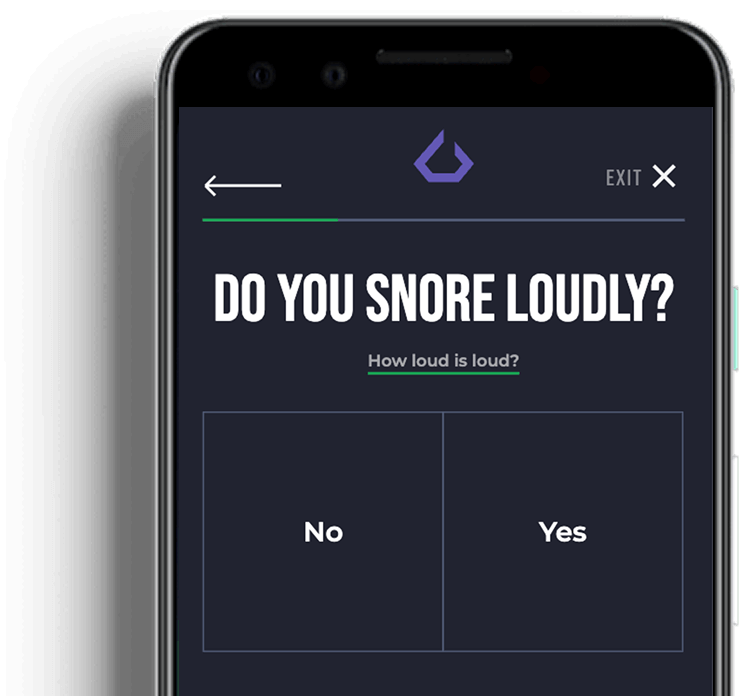
Most commercial insurers cover sleep apnea when symptoms are present. Taking the simple GEM SLEEP quiz ask questions that help you understand if you have typical symptoms of sleep apnea and provides you the starting point to create and account and understand if your specific insurance plan will cover testing.
GEM SLEEP does take insurance and is in-network with most major insurance plans. You can review who we are in-network with before even beginning the quiz.
Home sleep tests are affordable and widely covered. GEM SLEEP will secure a pre-authorization and estimate for you. Each plan has its own unique patient responsibility requirements that could include co-pay, co-insurance and deductible requirements.
Does insurance cover sleep apnea treatment?
As with home sleep testing, most commercial insurers cover CPAP therapy for sleep apnea treatment under durable medical equipment (DME) if you are diagnosed with obstructive sleep apnea and meet their coverage requirements based on diagnosis, clinical evaluation, and standard work orders. GEM SLEEP’s process and clinicians ensure you have the right diagnosis, have a personalized treatment plan and prescription, and any pre-authorizations necessary.
Oral appliance therapy may be covered under medical or dental insurance, but coverage varies by plan.
CPAP replacement schedules for masks, tubing, and supplies differ by insurer.
GEM SLEEP – Here to Help You Feel Better
GEM SLEEP offers a virtual, end-to-end process helping individuals test, diagnose, and treat obstructive sleep apnea. GEM’s expert clinician and support teams make it easy to:
- Test for sleep apnea using a home sleep test
- Review results and provide you with a personalized treatment plan
- Navigate insurance
- Get guidance and purchase cost-effective treatment options
- Stay compliant with coaching support
What Better Sleep Feels Like After Treatment
People who treat sleep apnea experience both physiological and interpersonal benefits. Compliant patients typically experience:
- Improved oxygen flow at night
- Lower blood pressure
- More restorative sleep cycles
- Reduced inflammation
- Fewer morning headaches
- Better cardiovascular health long-term
It’s no wonder many say, “…I feel five, ten, sometimes even 15 years younger!”
In addition, people who treat sleep apnea feel more present with family, are more motivated to exercise, manage stress better, and often see improved performance at work or in athletics. As our founder, Brian Sauer, notes, “I’m no longer getting elbowed at night!”
The Simple Path to a Diagnosis
GEM SLEEP is a virtual clinic transforming how people access care for sleep apnea, making it possible to get diagnosed and treated entirely from home. It provides a complete continuum of care ensuring patients receive comprehensive, long-term sleep health solutions. The steps are easy:
- Assess – take the 30-second online clinical assessment to screen for the possibility of obstructive sleep apnea.
- Create an Account – to create a secure patient portal
- Diagnose – Order a home sleep test, meet with a virtual clinician, complete the home sleep test, then review results and discuss a personalized treatment plan with a virtual licensed clinician.
- Treat – Order an auto-adjusting CPAP for home delivery or alternative treatment option based on your diagnosis.
- Support – Connect with GEMs coaching team for support and treatment advice to ensure success and compliance. Ongoing supplies can also be purchased easily and shipped to your door
A Better Night’s Sleep is Within Reach
If you are concerned about what’s preventing a good night’s sleep and wondering if you can feel better, the answer is YES!
- Sleep apnea is treatable and diagnosable
- Insurance often supports both testing and treatment
- Most people feel dramatically better once they start treatment – often “younger” and more energized.
- Getting started is simple, safe and life-changing
Take the first step towards better sleep and better days.
Visit GEM SLEEP to get started.
Disclaimer: If you are tired or exhausted do not operate a vehicle or machinery. The information contained in this document is for educational purposes only, sleep apnea can only be diagnosed via a medically approved sleep test. A sleep test must be ordered and reviewed by a professional provider trained in sleep medicine. GEM SLEEP is focused on treatment and support of obstructive sleep apnea, not other sleep conditions.